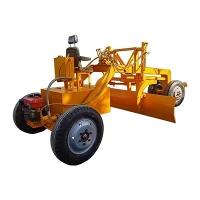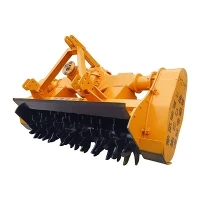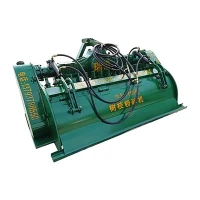

Hey there! If you’re new here, I’m Jake— I’ve been selling towed graders for almost 8 years now, and one question I get at least twice a week is: “Where on earth do I even use a towed grader?” It makes total sense, right? A lot of folks mix them up with big, expensive motor graders you see on highway construction sites, but towed ones are way more versatile than most people think. Let me break down the spots they work best, straight from what my customers actually use ’em for every day.
First off, let’s get the basics straight. A towed grader’s basically a blade that you hitch to a tractor, ATV, or even a pickup truck (depending on the size) — no separate engine needed, which is why they’re way cheaper and easier to move than full-size graders. You just hook it up, adjust the blade angle, and go. That simplicity’s what makes it perfect for all kinds of jobs that don’t need a giant 10-ton machine. I’ve seen guys pull them behind lawn tractors for small stuff, and others hitched to 100+ HP tractors for big farm fields. It’s all about matching the grader size to your tow vehicle.
On the Farm: Your New Best Friend For Field & Yard Work
This is where a ton of my regular customers go-to. If you run a farm, you know how messy access roads, stock ponds, and field edges can get after a rain or harvest. I can’t tell you how many farmers tell me they used to use a shovel or a beat-up old tractor with a box blade, but a towed grader cuts their time in half.
Let’s be real: Farm fields aren’t perfectly flat. Especially if you’re raising row crops like corn or soybeans, the edges of the fields get rutted up by combines and tractors driving back and forth. Those ruts slow down your equipment, cause soil erosion, and even make it hard to seed straight next year. My customers use graders to smooth those edges out to keep their rows consistent. Then there’s the farm driveway — you know, the one that turns into a mud pit every spring? A towed grader can level that in an afternoon, instead of paying a contractor $500 to come out with a big grader for 20 minutes. We even have a specific model just for farm work, check out the Farm Towed Grader — it’s built with a wider blade that handles loose dirt and gravel way better than smaller models, and it’s light enough to pull with a 50 HP tractor, no fancy big rig required.
Another underrated farm use: stock pond maintenance. If you have a pond for cattle, the banks get eroded by animals wading in and rain runoff. A grader lets you reshape the banks to make them sturdier, so you don’t lose valuable water or have to repair the shoreline every month. I’ve also seen folks use it to spread manure piles evenly before tilling — way more uniform than trying to do it with a front loader, and you don’t have to lift heavy loads.
Small Construction & Landscaping Projects: DIY & Crew Work That’s Affordable
If you’re a landscaper, a small construction crew, or even doing a big DIY project in your backyard, a towed grader is a game-changer for jobs that need precision leveling. Let’s say you’re building a patio — you need a perfectly flat base of gravel before laying pavers. A hand shovel and a rake can get close, but they’ll never be as level as a grader. Same goes for a shed foundation: if the ground’s even slightly off, your doors won’t open right later.
My customers in landscaping also use them for creating and maintaining walkways, driveways, and even parking lots for small businesses. I have a lot of guys with 3.0m Towed Grader models — that 10-foot blade is wide enough to do a 2-car driveway in a single pass, which saves so much time compared to a smaller 6-foot box blade. It’s not just for dirt either; you can adjust the blade to mix gravel into the top layer of a driveway, so it compacts better and doesn’t get rutted as fast.
For small construction crews, towed graders are perfect for site prep before you bring in a big motor grader. If you’re building a single-family home, you don’t need a $100k machine to grade the lot and dig footings. A towed grader can do all that preliminary work, then you bring in the big stuff for the final finish cuts when you’re ready. It cuts your rental costs way down too — most towed graders rent for $75-$150 a day, vs. $500+ for a motor grader. Way easier on the budget when you’re just getting a project off the ground.
Municipal & Rural Road Maintenance: The Unsung Hero of Small Communities
Wait, municipalities? Yeah, you’d be surprised how many small towns and rural counties use towed graders for their local roads. Those big road graders are great for highways, but they’re too big and bulky for small backroads, dirt lanes, and county lines. A towed grader can pull behind a pickup truck or a small utility tractor, so it’s easy to move from one stretch of road to another without needing a big rig to tow it.
Rural roads take a beating in the winter too — snow plows leave ridges and ruts, and ice makes the surface uneven when it melts. I’ve worked with a few county road departments that use towed graders to smooth those ruts in the spring, and to spread a thin layer of gravel on roads that don’t get paved. It’s way cheaper than hiring a private contractor to handle those small stretches, and the workers don’t need special training to operate them — just basic experience with a tow vehicle.
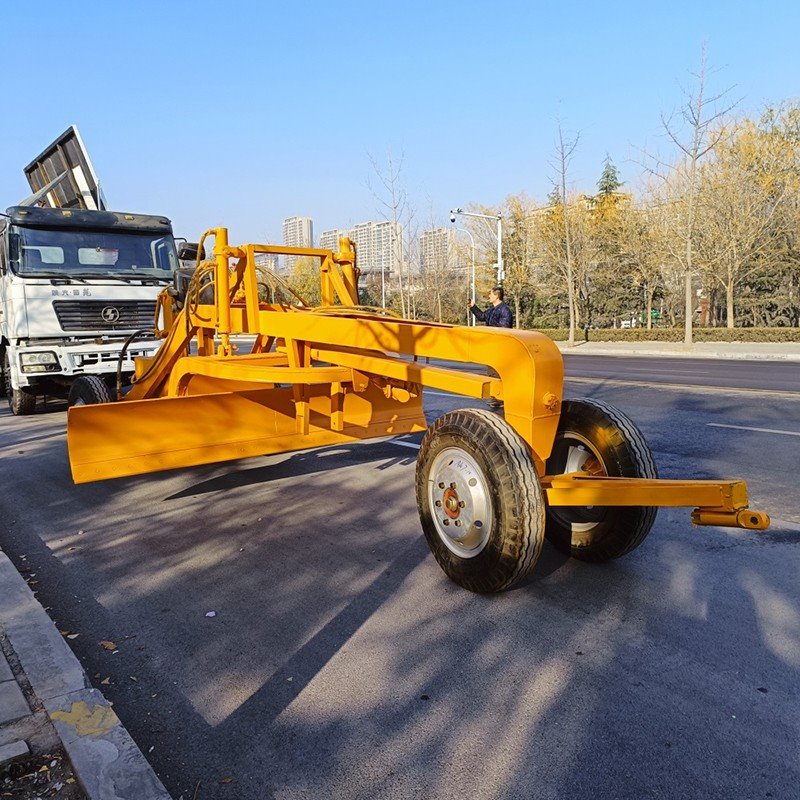

Even small neighborhoods with private roads (like gated communities or campgrounds) use them. A campground’s access roads and campsite pads need to be smooth for RVs, right? A towed grader can level those pads, fix potholes, and keep the roads from getting muddy after rain. I had a campground owner tell me he saved $12k a year after buying one — used to pay a contractor every other month to come do the work, now he just hooks up his tractor and does it on a weekend. That’s the kind of ROI you can’t beat.
Recreational & Outdoor Spaces: From RV Parks to Horse arenas
This is one of my favorite use cases — people who own big recreational spaces use towed graders all the time. Horse arenas are a huge one. If you have a riding arena, whether it’s for barrels, jumping, or just pleasure riding, the footing needs to be perfectly smooth and even. Ruts or uneven spots can throw off a horse’s stride and lead to injuries. A towed grader lets you reshape the footing regularly, adjust the depth of sand or gravel, and keep the arena safe. I even have customers who use them to drag their outdoor riding rings after each use — way faster than a manual drag mat, and you can get the blade angle just right for the type of footing you have.
RV parks and campgrounds, like I mentioned earlier, but also things like bike paths, hiking trails, and sports fields. High school football fields? Wait, yeah — some small towns have their own towed graders to level the practice fields before games. It’s way easier than waiting for the maintenance crew to drag a big machine out. Even golf courses, especially the ones with small driving ranges or practice greens, use towed graders for the rough and the cart paths. The big greens mowers are for the putting surface, but the cart paths and rough need a heavy-duty blade that can handle uneven ground.
Wait, let’s not forget about remote areas. If you have a cabin way out in the woods, where there’s no paved road, a towed grader can keep your access road clear. No need to rent a huge machine to drive out to your cabin — you just tow it behind your truck when you go up for the weekend, do a little grading, and be on your way. That’s perfect for anyone who spends time off the grid and doesn’t want to deal with a rutted road every time they drive in.
A Few Things To Keep In Mind Before You Grab One
Okay, before you go running to buy a towed grader, let’s hit a couple quick tips from what I’ve seen my customers mess up. First, match the grader size to your tow vehicle. A 3.6m Towed Grader (that’s 12 feet) is great for bigger tractors or pickup trucks with 3/4 ton or larger, but if you have a small lawn tractor, stick with the smaller 3.0m Towed Grader — that one’s only 10 feet, way lighter, and easier to maneuver. If you’re on a farm, definitely go for the Farm Towed Grader I mentioned earlier, because it’s built for more abrasive materials like clay and rock, which will wear down a regular grader faster.
Second, don’t forget about the blade’s adjustability. A lot of people don’t realize you can tilt the blade, angle it, and lift it independently — that’s what makes a grader different from a box blade. You can do things like crown a driveway (make it so water runs off to the sides) or cut a shallow ditch along a road with the same machine. Just spend a little time learning the adjustments — most models have quick-adjust levers, so you don’t need any special tools.
Finally, maintain it like you would any other piece of equipment. Rinse the blade off after working in mud, grease the pivot points every 10 hours of use, and check the hitch to make sure it’s tight. If you take care of your towed grader, it’ll last you 10+ years, no problem — I’ve had customers who’ve had the same model for 15 years and still use it every week.
Wrapping It Up (And How To Get Yours)
At the end of the day, a towed grader isn’t just for construction guys or farmers. It’s for anyone who deals with uneven dirt, gravel, or loose ground — from someone with a hobby farm to a small construction crew to a campground owner. The best part? It’s affordable, easy to tow, and way more versatile than most people give it credit for.
If you’re curious about which one would work best for your needs — whether it’s for farm use, a small driveway, or a bigger road maintenance project — hit us up. We can walk you through the specs, help you match the right size to your tow vehicle, and even answer any questions about operation or maintenance. We’ve been in the towed grader game for years, so we know exactly what works for different jobs, and we’re here to help you find the perfect fit.
References
- Industry data on small-scale earthmoving equipment usage, North American Agricultural Equipment Association, 2023
- Municipal road maintenance cost comparisons for rural jurisdictions, American Public Works Association, 2022
- Recreational land management equipment trends, National Recreation and Park Association, 2023